

Complete Guide to Protection, Types & Buying Tips
Mosquito-borne diseases remain a serious global health threat, with the World Health Organization (WHO) reporting an estimated 100–400 million dengue infections annually, and nearly half of the world’s population now at risk of infection. WHO Dengue Fact Sheet
In many urban homes, mosquitoes easily enter through open or poorly sealed windows, turning bedrooms into breeding grounds for bites, irritation, and potential infections like dengue and malaria. CDC Mosquito-Borne Diseases Overview
This is where a mosquito net for windows becomes a simple yet powerful defense. It creates a physical barrier that blocks insects while still allowing fresh air and natural light inside.
- Stops mosquito entry without chemicals or sprays
- Reduces risk of dengue, malaria, and chikungunya
- Improves sleep quality by eliminating nighttime bites
- Supports healthier, well-ventilated living spaces
With rising mosquito-related health risks and increasing urban exposure, installing window mosquito nets is no longer optional it is a practical, long-term home protection solution.
What Is a Mosquito Net for Windows?
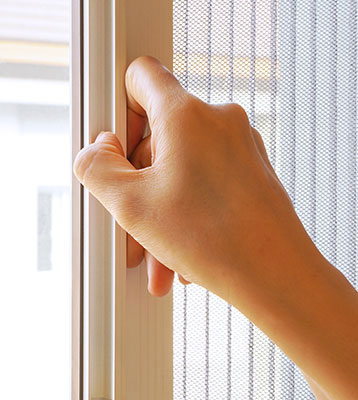
A mosquito net for windows is a fine mesh barrier fixed to your window frame that blocks mosquitoes and other insects while still allowing fresh air and natural light to pass through. Instead of relying on sprays or electric repellents, it creates a physical shield between your indoor space and outdoor pests.
For example, a family living in a high-rise apartment in Singapore can keep their windows open in the evening for ventilation without worrying about mosquito entry. Similarly, ground-floor homes near gardens often use window nets to prevent insect intrusion during humid months.
Key Features
- Fine mesh (fiberglass or polyester) blocks insects
- Allows continuous airflow and daylight
- Fits sliding, casement, or fixed windows
- Available in removable or permanent installation types
| Feature | Mosquito Net for Windows | Chemical Sprays |
|---|---|---|
| Protection Method | Physical barrier | Chemical repellent |
| Airflow | Unaffected | Unaffected |
| Safety | Non-toxic | May contain chemicals |
| Maintenance | Occasional cleaning | Frequent reapplication |
According to the World Health Organization (WHO), vector-borne diseases like dengue continue to affect hundreds of millions of people globally each year, making preventive barriers like window nets an effective first line of defense. In simple terms, it is a low-maintenance, eco-friendly solution that protects your home 24/7 without daily effort.
Why You Need Mosquito Nets for Windows
Key Reasons to Install Mosquito Nets
- Prevents disease transmission like dengue, malaria, and chikungunya
- Stops nighttime bites, improving sleep quality
- Allows natural ventilation without pest entry
- Reduces use of chemical repellents in bedrooms and kitchens
- Works continuously without electricity or maintenance stress
Real-Life Examples
- A family in a high-rise apartment keeps bedroom windows open at night without worrying about mosquito entry.
- A ground-floor home near a park reduces frequent insect problems during humid evenings.
- Schools install window nets to keep classrooms ventilated and safer for children.
Types of Mosquito Nets for Windows
Mosquito nets for windows come in different designs to match various home styles, budgets, and installation needs. Choosing the right type depends on how often you open your windows, whether you rent or own your home, and how permanent you want the solution to be.
Common Types of Window Mosquito Nets
- Sliding Mosquito Nets
- Work smoothly with sliding windows
- Ideal for apartments and modern homes
- Example: High-rise flats in Singapore often use sliding nets for daily convenience
- Magnetic Mosquito Nets
- Easy DIY installation with magnetic strips
- Perfect for rented homes
- Example: Tenants use them to avoid drilling holes in frames
- Velcro Mesh Nets
- Budget-friendly and temporary
- Easy to install and remove
- Example: Seasonal use during peak mosquito months
- Aluminium Frame Nets
- Strong and long-lasting
- Suitable for permanent protection
- Example: Villas and landed houses prefer this option
- Retractable Mosquito Nets
- Rolls up when not in use
- Modern and aesthetic design
| Type | Durability | Installation | Best For |
|---|---|---|---|
| Sliding | High | Medium | Apartments |
| Magnetic | Medium | Easy | Rentals |
| Velcro | Low | Very Easy | Temporary use |
| Aluminium Frame | Very High | Professional | Permanent homes |
| Retractable | High | Professional | Premium interiors |
According to home safety studies, over 60% of urban households prefer permanent or semi-permanent mesh solutions for better long-term protection. In simple terms, each type offers a balance between convenience, durability, and budget, so you can choose what fits your home lifestyle best.
How to Choose the Best Mosquito Net for Windows
Choosing the right mosquito net for windows depends on your home setup, lifestyle, and how long you want the solution to last. A good choice improves comfort, keeps mosquitoes out, and still allows fresh air into your rooms.
Start by checking your window type. Sliding windows need sliding nets, while casement windows often work better with fixed-frame or magnetic options. For example, a high-rise apartment in Singapore with aluminium sliding windows usually benefits from sliding mesh systems for smooth daily use.
Key Factors to Consider
- Mesh quality: Choose fine mesh (fiberglass or polyester) to block even tiny insects
- Durability: Aluminium frames last longer than plastic or Velcro options
- Ease of use: Magnetic or retractable nets suit frequent opening and closing
- Ventilation: Ensure airflow stays strong even with closed nets
- Maintenance: Pick washable and dust-resistant materials
A family living near a park chooses aluminium frame nets because they face daily mosquito issues, while a student in a rented apartment prefers magnetic nets for easy removal during relocation.
According to WHO guidance on vector control, physical barriers like mesh screens remain one of the most reliable non-chemical prevention methods for household protection.
In short, the best mosquito net is the one that matches your window type, usage habits, and long-term needs.
Installation Process Explained
Installing a mosquito net for windows is a simple process when you follow the right steps. The method depends on the type of net you choose, but most installations fall into DIY setups or professional fittings.
DIY Installation (Magnetic or Velcro Nets)
You can install these nets at home without tools.
- Measure your window frame accurately
- Clean the surface to remove dust and oil
- Stick the adhesive Velcro or magnetic strip around the frame
- Attach the mesh tightly without gaps
- Trim excess material for a neat finish
Example: A tenant in a rental apartment in Singapore installs a magnetic net in under 30 minutes to avoid drilling holes in the window frame.
Professional Installation (Frame or Sliding Nets)
These require expert fitting for durability and precision.
- Technician measures exact window dimensions
- Frame gets custom-built (usually aluminium)
- Installation team fixes the frame securely
- Mesh gets fitted and tested for smooth operation
Example: A homeowner with large sliding windows chooses aluminium frame nets for long-term protection and clean aesthetics.
Maintenance Tips for Long Life & Common Mistakes to Avoid
Maintenance Tips for Long Life
A mosquito net for windows lasts much longer when you care for it regularly. Good maintenance keeps the mesh strong, ensures proper airflow, and prevents dust buildup that can block ventilation.
Start with simple cleaning habits. Dust and pollen often collect on the mesh, especially in urban areas. A quick weekly routine keeps it in good condition.
Easy Maintenance Tips
- Vacuum the mesh gently once a week to remove dust
- Wash with mild soap and water every 2–3 months
- Use a soft cloth or sponge to avoid damaging the mesh
- Check for small tears or loose edges regularly
- Keep sharp objects and pets away from the net
Common Mistakes to Avoid
Many people install mosquito nets for windows but don’t get full protection because of small, avoidable mistakes. When you choose and maintain your net correctly, you improve both durability and effectiveness.
Frequent Mistakes Homeowners Make
- Choosing the wrong mesh size that allows tiny insects to pass through
- Ignoring exact window measurements before buying
- Installing nets with small gaps around the frame
- Using low-quality adhesive that weakens over time
- Skipping regular cleaning, which blocks airflow
- Forcing open or closed frames, damaging the structure
Mosquito Net for Windows vs Other Pest Control Methods
Mosquito nets for windows offer a simple, long-term solution, but many homes still rely on sprays, coils, or electric repellents. Each method works differently, and understanding the differences helps you choose better protection for your home.
Key Comparisons
- Mosquito Nets
- Create a physical barrier at the window
- Work 24/7 without electricity or chemicals
- Example: A family keeps bedroom windows open at night without mosquito entry
- Chemical Sprays
- Kill insects on contact but wear off quickly
- Require frequent reapplication
- Example: You spray before sleep, but mosquitoes return the next day
- Mosquito Coils
- Release smoke to repel insects
- Can cause irritation or discomfort in closed rooms
- Example: Useful outdoors but less effective in well-ventilated homes
- Electric Vaporizers
- Use liquid or mats to repel mosquitoes
- Depend on power supply and ongoing refills
- Example: Common in bedrooms but not ideal for 24-hour protection
Real-Life Use Cases
Mosquito nets for windows fit into many real-world settings, from small apartments to large institutions. They solve everyday mosquito problems without changing how people live or use their spaces.
Where People Commonly Use Them
- Urban apartments
- Residents keep windows open for ventilation without worrying about mosquitoes
- Example: A high-rise family in Singapore enjoys night breeze safely
- Independent houses
- Homes near gardens, lakes, or open drainage areas face higher mosquito exposure
- Example: A villa owner installs aluminium frame nets for full-time protection
- Schools and daycare centres
- Helps maintain airflow in classrooms while protecting children
- Example: Teachers keep windows open during lessons without insect interruptions
- Hospitals and clinics
- Supports hygienic, insect-free environments
- Example: Waiting rooms stay ventilated without relying on sprays
- Rented accommodations
- Temporary and removable options like magnetic nets work well
- Example: A student installs and removes nets easily during relocation
Mosquito nets adapt easily to different lifestyles and building types. According to public health studies, physical barriers like mesh screens significantly reduce indoor mosquito entry in urban environments when properly installed.
In simple terms, wherever people need fresh air and protection at the same time, window mosquito nets offer a practical and reliable solution.
Conclusion
Mosquito nets for windows offer one of the simplest and most reliable ways to protect your home from mosquito-borne diseases while still enjoying fresh air and natural light. In a world where dengue, malaria, and other vector-borne illnesses continue to affect millions, a physical barrier at your windows becomes a practical first line of defense.
From sliding and magnetic nets to durable aluminium frame options, each type fits different home needs, budgets, and lifestyles. When you choose the right mesh, install it correctly, and maintain it regularly, you create a long-term shield that works quietly every day without chemicals, electricity, or constant attention.
More importantly, mosquito nets improve everyday living:
- They support healthier sleep without nightly disturbances
- They reduce dependence on sprays and repellents
- They keep homes safer for children and elderly family members
- They allow natural ventilation without compromise
Frequently Asked Questions
1. What is a mosquito net for windows?
A mesh screen that blocks mosquitoes while allowing air and light.
2. Does it really stop dengue mosquitoes?
Yes, it blocks Aedes mosquitoes that spread dengue when properly fitted.
3. Can I install it myself?
Yes, magnetic and Velcro nets suit DIY installation.
4. Does it reduce airflow?
No, quality mesh maintains natural ventilation.
5. How long does it last?
It can last 3–10 years depending on material.